Skip to content
  • Home
  • About Us
  • Services
  • Products
Menu
  • Home
  • Services
  • About Us
  • Products
  • Contact Us

Native App Development

Explore native app development—learn about its benefits, costs, top tools, security aspects, and how it compares to cross-platform development.

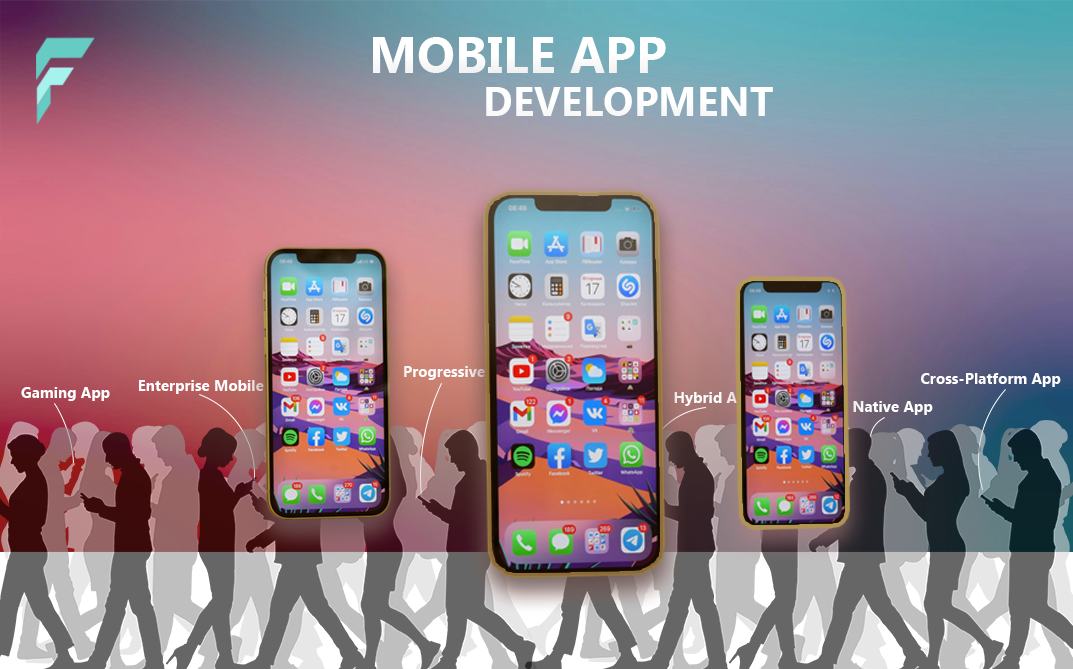
Native App development involves creating mobile applications specifically for a single platform, such as Android or iOS, using platform-specific programming languages and tools. This approach ensures optimal performance, a seamless user experience, and access to device-specific features. While native development requires more resources compared to cross-platform alternatives, it provides greater control over the app’s functionality, security, and overall quality.
Web Application

1. What is Native App Development?

Native App development refers to building mobile applications tailored to a specific operating system. Developers use platform-specific programming languages, such as Swift or Kotlin, to create applications optimized for a seamless experience on a particular device type. Since these apps are built specifically for a platform, they can leverage all hardware and software features, such as cameras, GPS, sensors, and notifications.

2. Benefits of Native App Development

Businesses often choose Native App development due to its advantages over other methods. Some key benefits include:

  • Optimized Performance: Native apps are compiled directly for the target platform, leading to faster execution and better responsiveness.
  • Seamless User Experience: Platform-specific UI components provide a natural and intuitive user interface.
  • Access to Full Device Capabilities: Native apps can utilize device features such as cameras, Bluetooth, NFC, and biometric authentication.
  • Higher Security: Built-in security features protect against vulnerabilities, ensuring user data is safeguarded.
  • Reliable Offline Functionality: Native apps can function without an internet connection, making them more accessible.
  • Better App Store Optimization: Native apps often perform better in app store rankings due to their optimized performance and user engagement.

3. Costs of Native App Development

Developing a Native App requires a higher investment compared to cross-platform alternatives due to platform-specific development. The cost factors include:

  • Development Time: Separate codebases for Android and iOS require more time and effort.
  • Specialized Developers: Hiring developers proficient in platform-specific languages increases development costs.
  • Maintenance and Updates: Ongoing maintenance must be performed separately for each platform.
  • Testing: Native apps require extensive testing on different devices and OS versions.

4. Essential Tools for Native App Development

Developers rely on platform-specific tools to create high-performance native applications. Some essential tools include:

  • Integrated Development Environments (IDEs): Platform-specific development environments streamline coding, debugging, and testing.
  • Software Development Kits (SDKs): SDKs provide pre-built libraries and APIs to enhance functionality.
  • Performance Monitoring Tools: Monitoring tools help track app performance and optimize resource usage.
  • Security Libraries: Encryption and authentication tools enhance app security.

5. Native vs. Cross-Platform Development: A Comparison

Businesses often debate whether to choose native or cross-platform development based on performance, cost, and scalability. Below is a comparison:

Aspect Native Development Cross-Platform Development
Performance High performance due to direct hardware access. Good performance but slightly affected by abstraction layers.
Development Time Longer as separate apps must be built for each platform. Faster since a single codebase is used.
Cost Higher due to platform-specific coding. Lower as code is shared across platforms.
Security Stronger security with platform-specific protections. Security depends on framework and implementation.
UI/UX Experience Better as it aligns with platform guidelines. Consistent experience across platforms but may lack native feel.

6. How to Ensure Security in Native App Development

Security is a crucial aspect of native app development, as mobile applications handle sensitive user data. Follow these steps to enhance security:

  1. Implement Secure Authentication: Use multi-factor authentication and biometric verification to prevent unauthorized access.
  2. Encrypt Data: Apply end-to-end encryption to protect user data from potential breaches.
  3. Secure APIs: Ensure that all APIs used in the app are properly authenticated and protected against vulnerabilities.
  4. Follow App Store Security Guidelines: Comply with security best practices outlined by app stores to avoid potential risks.
  5. Regular Security Audits: Conduct security assessments to identify and fix vulnerabilities before releasing updates.

7. Future Trends in Native App Development

Native app development continues to evolve with advancements in technology. Some future trends include:

  • AI and Machine Learning Integration: Enhancing personalization and automation in native applications.
  • Augmented Reality (AR) and Virtual Reality (VR): Creating immersive experiences for users.
  • 5G Technology: Enabling faster data transfer and real-time interactions.
  • Improved Security Measures: Enhancing encryption methods to protect against cyber threats.
Contact Us Image

Why Choose Us

Choose F12 Technologies for industry-leading mobile app solutions designed to boost engagement, efficiency, and growth for your business.

We tailor our services to meet your specific requirements, ensuring innovative and impactful solutions that help you achieve your goals.

Contact Us

Native App Development

1. What is native app development?
Native app development involves building mobile applications specifically for a single operating system, using platform-specific programming languages and tools.
2. What are the benefits of native app development?
Benefits include high performance, better security, improved user experience, full access to device features, and optimized responsiveness.
3. How does native development compare to cross-platform development?
Native development provides better performance and access to platform-specific features, while cross-platform development focuses on cost efficiency and faster deployment.
4. What tools are used for native app development?
Native app development utilizes platform-specific development tools that offer seamless integration with the respective operating systems.
5. Is native app development more expensive than cross-platform development?
Yes, native development typically requires more resources, time, and specialized expertise, leading to higher development costs.
6. How does native app development enhance security?
Native apps offer better security through advanced encryption, secure APIs, and platform-specific security features.
7. What factors influence the cost of native app development?
Costs depend on app complexity, design requirements, development time, platform-specific optimizations, and ongoing maintenance.
8. How does native development impact app performance?
Native apps perform better because they are optimized for the operating system, ensuring smoother animations, faster load times, and improved responsiveness.
9. Can native apps access all device features?
Yes, native apps can fully utilize device-specific hardware and software features, such as camera, GPS, sensors, and push notifications.
10. How does native development support app scalability?
Native apps are highly scalable and can handle complex functionalities, updates, and increased user demands efficiently.
11. Are native apps better for user experience?
Yes, native apps offer a seamless user experience with better UI consistency, smooth interactions, and faster performance.
12. What are the challenges of native app development?
Challenges include higher development costs, longer development time, and the need to maintain separate codebases for different platforms.
13. How does native development ensure better app stability?
Native apps are more stable since they follow platform-specific guidelines, receive direct OS updates, and integrate smoothly with system functionalities.
14. How does native development impact app maintenance?
Maintenance is more complex since updates and bug fixes must be implemented separately for each platform.
15. When should businesses choose native over cross-platform development?
Businesses should choose native development when performance, security, user experience, and access to platform-specific features are top priorities.
Quick Links
  • About us
  • Product
  • Services
  • Clients
  • Contact Us
Visit Us
  • Basement Floor, Periyar Building
  • Technopark Campus, Trivandrum
  • 695581
info@f12technologies.com
(+91) 628-237-2221
Social Media

Our Support and Sales team is available 24/7 to answer your queries

Facebook facebook Twitter twitter [#154] Created with Sketch. Instagram instagram Linkedin linkedin
  • Copyright 2023 © F12 Technologies